



Fun team building activities for remote workers help strengthen communication, engagement, and job satisfaction across distributed organizations. When organizations transition to remote work environments, employees often miss informal interactions that naturally occur in physical offices. Establishing structured routines and creative connection opportunities helps bridge this physical distance. Teams frequently experience improved morale when colleagues share non-work interests, creative prompts, and structured games together.
Table Of Content
- Why remote team connection matters
- Structuring effective virtual gatherings
- Icebreakers and quick connection exercises
- Collaborative online games and challenges
- Creative presentations and personal sharing
- Establishing ongoing team norms and buffer time
- Key takeaways
- Frequently asked questions
- What are fun team building activities for remote workers?
- How often should remote teams host social events?
- Do virtual team building exercises actually improve productivity?
- How can introverted team members feel comfortable during virtual games?
- What is the best way to avoid burnout from online social events?
- Conclusion
Why remote team connection matters
Remote workers often face feelings of isolation, which can diminish overall well-being and productivity over time. A sense of community and connectedness among distributed staff members correlates positively with job satisfaction and emotional health, according to research published in academic literature PMC10341230. Therefore, organizations must intentionally design spaces where colleagues can interact beyond standard project updates.
Virtual team building proves especially useful during distinct organizational phases. Leaders often introduce interactive sessions when a major project begins or when an established department shifts permanently to remote operations, as noted by resources from Duke University bassconnections.duke.edu/tips-remote-teamwork/. Structured social engagement prevents professional burnout and builds trust among coworkers who might never share a physical workspace. However, participation should remain inviting rather than mandatory, since forced fun often produces the opposite of the desired psychological safety.
Structuring effective virtual gatherings
Successful virtual events require careful planning and clear facilitation to ensure everyone feels included. Remote meetings frequently suffer from dominant speakers or awkward silence if organizers lack a structured agenda. Rotating facilitation responsibilities among different team members increases active participation and distributes leadership visibility evenly, aligning with guidance from the U.S. Office of Personnel Management www.opm.gov/telework/telework-employees/telework-etiquette-quick-tips/.
Organizers should establish a predictable cadence for team building without overwhelming daily calendars. Monthly or bi-weekly touchpoints work best for most groups. Hosts should communicate the exact format and duration beforehand so participants can manage their deliverables. Flexibility remains necessary because workloads fluctuate across different time zones and departments.
Icebreakers and quick connection exercises
Quick icebreakers require minimal preparation and fit easily into the first ten minutes of a standard meeting. These short prompts allow colleagues to share small details about their daily lives, establishing common ground.
- The rose and thorn exercise invites each person to share one positive highlight (rose) and one minor challenge (thorn) from their week.
- Photo sharing challenges prompt team members to display a picture of their morning coffee mug, current desk view, or local weather conditions.
- Virtual bingo cards featuring remote work clichés, such as pets appearing on camera or accidental mute button errors, create instant laughter.
- Two truths and a lie allows staff members to reveal surprising personal facts, deepening their understanding of one another.
- Choice-based prompts ask participants to select between two opposing concepts, such as morning routines or favorite productivity tools.
Columbia University outlines similar engagement techniques within internal resources, emphasizing that informal dialogue directly strengthens workplace communication humanresources.columbia.edu/content/team-building-activities. These low-pressure interactions build rapport without requiring hours of scheduled time away from core responsibilities.
Collaborative online games and challenges
Digital games introduce friendly competition and active problem-solving into remote team environments. Online platforms host a wide variety of interactive tools designed specifically for distributed groups.
- Virtual trivia sessions featuring customized questions about pop culture, company history, or team member hobbies engage competitive participants.
- Remote scavenger hunts require individuals to locate specific household objects within a strict sixty-second timer limit.
- Digital Pictionary games let players sketch clues using online drawing boards while teammates guess the correct word.
- Collaborative puzzle-solving sites allow small groups to assemble digital jigsaws simultaneously while communicating through video chat.
Documented pandemic-era adaptations also featured virtual team dinners, trivia nights, and fitness boot camps, highlighting the adaptability of distributed groups pmc.ncbi.nlm.nih.gov/articles/PMC9761399/. While social events vary in reception, structured games provide a clear focal point that reduces awkwardness.
Creative presentations and personal sharing
Personal sharing activities help colleagues appreciate individual backgrounds, hobbies, and creative pursuits outside of daily job descriptions. Hybrid toolkit guidelines recommend personalized trivia and pet-sharing channels to build inclusive team cultures www.commerce.gov/sites/default/files/2022-03/DOC-RTO-Toolkit-for-Bureaus.pdf.
- Arm’s reach show-and-tell challenges staff members to grab the most interesting item sitting within arm’s reach of their desk and explain its significance.
- Dedicated pet channels on messaging platforms give animal owners a designated space to share photographs and funny stories about their household pets.
- Hometown virtual tours invite individuals to present interesting geographical facts, favorite local restaurants, or historical landmarks from their respective cities.
- Recipe exchange sessions encourage food enthusiasts to share signature dishes, dietary tips, or cultural cooking traditions with the wider department.
These initiatives honor individuality and celebrate cultural diversity within global teams. They also provide natural conversation starters for future one-on-one interactions.
Establishing ongoing team norms and buffer time
Formal activities represent only one component of a healthy remote culture. Sustainable team cohesion relies heavily on daily operational habits and communication norms established early in the collaborative lifecycle. Teams should explicitly define shared norms during their first or second meeting, covering response times, documentation standards, and preferred communication channels.
Leaving informal buffer time between meetings often feels more natural than scheduling rigid social hours. Allowing five minutes of open conversation before agenda items begin mimics the casual chatting that occurs outside a physical conference room. Maintaining a live remote office video room can simulate coworking environments, permitting colleagues to collaborate independently while remaining socially present.
Key takeaways

- Regular virtual team building supports communication, trust, and job satisfaction across distributed departments.
- Icebreakers like the rose and thorn exercise require minimal time while building psychological safety.
- Collaborative games such as trivia and scavenger hunts provide engaging focal points for remote staff.
- Personal sharing initiatives, including hometown tours and pet channels, celebrate individual diversity.
- Establishing clear communication norms and leaving informal buffer time prevents meeting fatigue.
Frequently asked questions
What are fun team building activities for remote workers?
Fun team building activities for remote workers include virtual trivia, scavenger hunts, photo sharing, icebreaker prompts, and creative show-and-tell sessions. These exercises encourage casual interaction and strengthen interpersonal bonds across distributed teams.
How often should remote teams host social events?
Remote teams typically benefit from bi-weekly or monthly social touchpoints, combined with quick five-minute icebreakers at the start of standard project meetings. The frequency should match team preferences and current workload demands.
Do virtual team building exercises actually improve productivity?
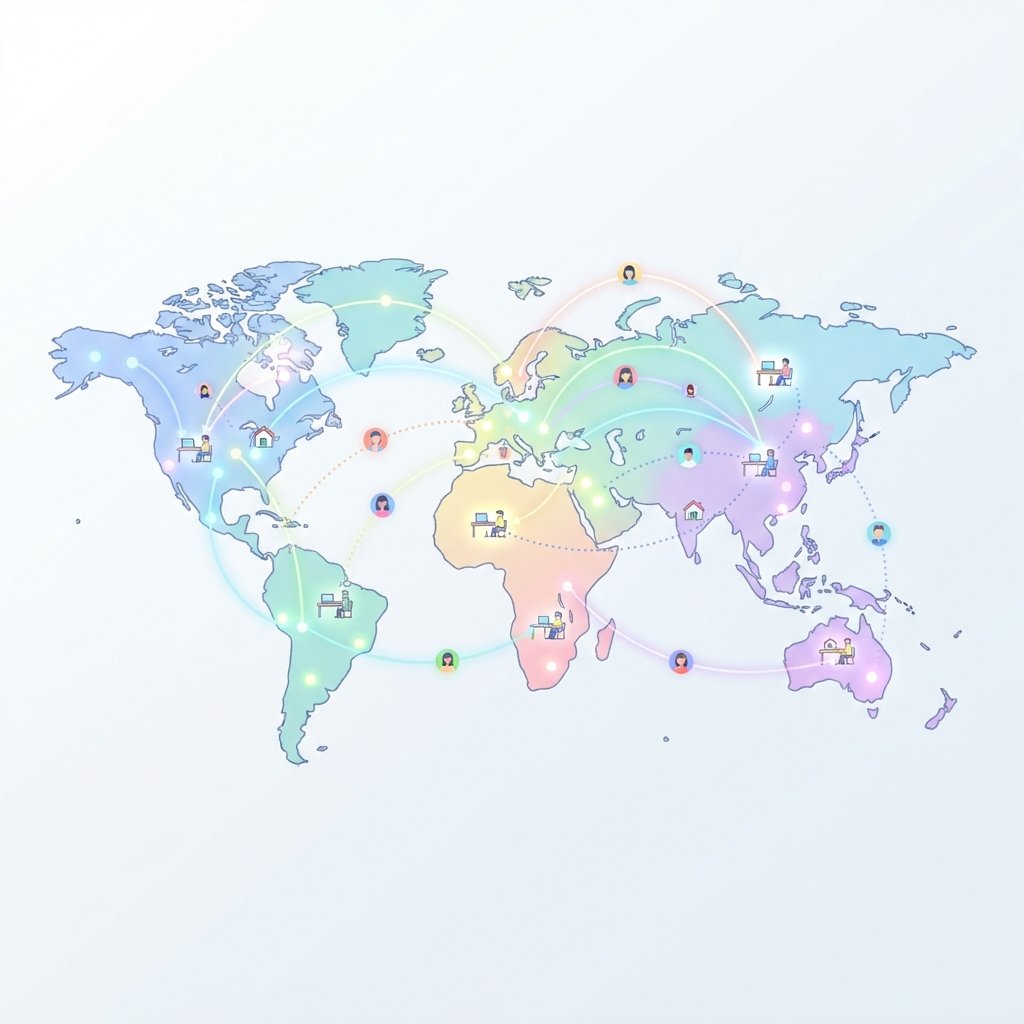
Virtual team building exercises improve connectedness, communication, and overall job satisfaction. Stronger interpersonal relationships reduce workplace friction and support effective collaboration on complex projects.
How can introverted team members feel comfortable during virtual games?
Organizers should keep participation entirely optional and offer low-pressure formats, such as text-based chat responses or small-group breakout rooms, ensuring everyone contributes at their own comfort level.
What is the best way to avoid burnout from online social events?
Teams can avoid burnout by integrating brief social moments into existing meetings rather than scheduling excessive after-hours events. Respecting personal boundaries and offering flexible attendance policies prevents fatigue.
Conclusion
Building a thriving remote work culture requires intentional effort, empathy, and consistent communication. Because distributed employees miss out on spontaneous hallway conversations and shared physical workspaces, organizations must proactively cultivate digital environments where genuine relationships can form.
By balancing structured collaborative games, creative personal presentations, and low-pressure icebreakers, teams bridge the physical gap without adding unnecessary stress to busy schedules. Establishing clear operational norms and honoring personal boundaries ensures that virtual bonding remains an uplifting experience rather than an administrative burden.
Ultimately, remote team building is not about forcing constant socialization; it is about creating the psychological safety and mutual trust necessary for people to do their best work together, no matter where they are located.



No Comment! Be the first one.